"The inspector was absolutely incredible — experienced, knowledgeable, and clearly focused on the building, not on selling something we did not need. The testing was thorough and the written report afterwards gave us proper clarity on what was happening in the home."
South Africa's longest practising mold inspection practice.
Six certified domestic and industrial mold inspectors. Three branches across Gauteng, Cape Town and Durban. Independently investigating why buildings develop mold — and what to do about it — since 2014.
Tell us what you are seeing at the property.
Your enquiry is reviewed by a certified domestic and industrial mold inspector — never a call centre. We will recommend the right level of investigation for your situation.
Evidence, not endorsements. A decade of practice you can verify.
Public Google reviews from real inspections, alongside additional client feedback and the professional credentials that make them defensible.
"We had a good experience with Mold Detection SA. The process was seamless with good communication from the inspector, thorough testing as well as in-depth reporting afterwards to guide us with the necessary steps."
"The written report alone was worth the inspection. Clear, evidence-based findings we could hand to the body corporate without translating it for them. We finally had a defensible plan instead of opinions."
"PMII-qualified work is in a different league to what we had before. The assessor explained what each instrument was measuring as he went — no black box. We knew exactly what we were paying for and why."
We lead, others follow.
Mold Experts is the specialist inspection identity of Mold Detection SA — a practice built around a single discipline: investigating why buildings develop mold, with evidence, calibrated methodology and clear written reporting.
A professional mold inspection investigates the cause — not just the visible spot.
Each inspection is structured, evidence-based and written. Where appropriate it includes calibrated air sampling — not passive settlement plates.
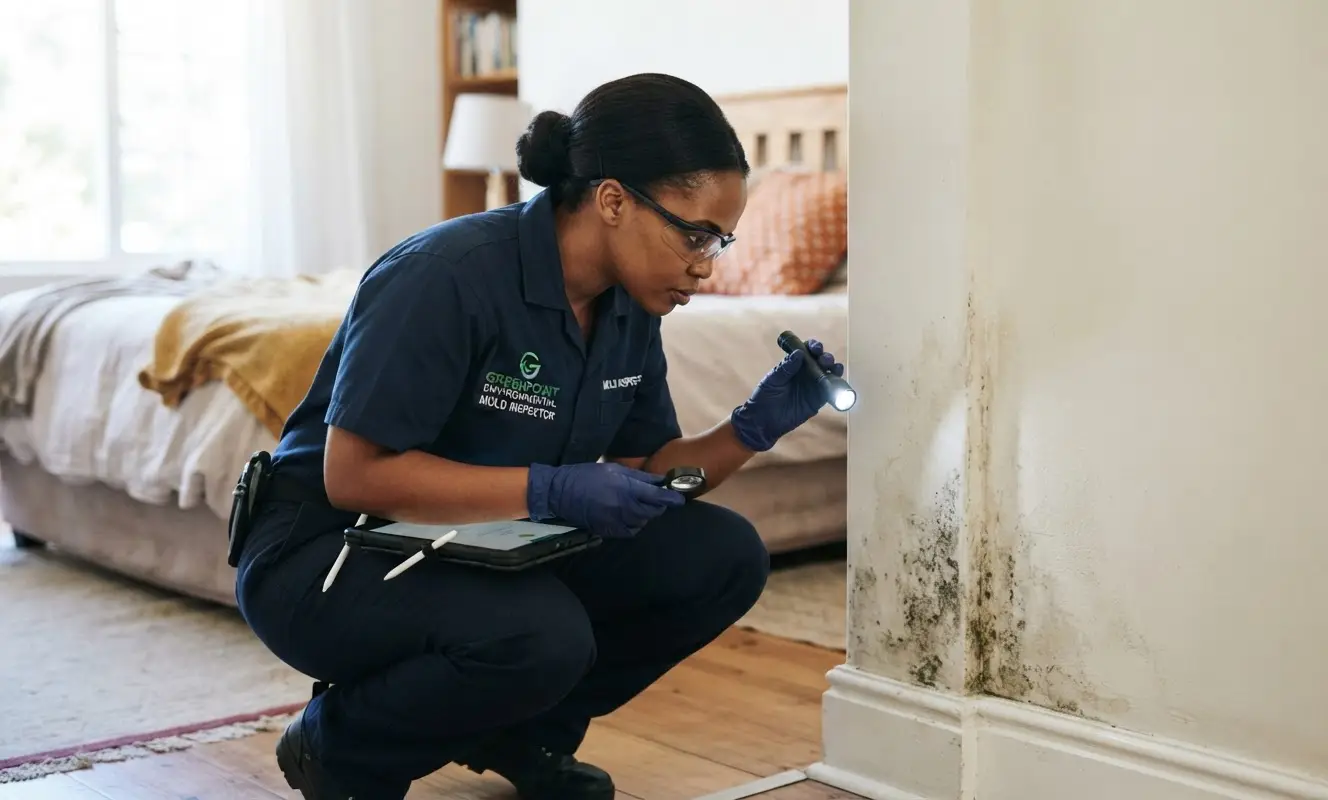
Visual inspection
A systematic visual assessment of the property — affected areas, adjacent rooms and spaces where conditions commonly support hidden growth.
Moisture investigation
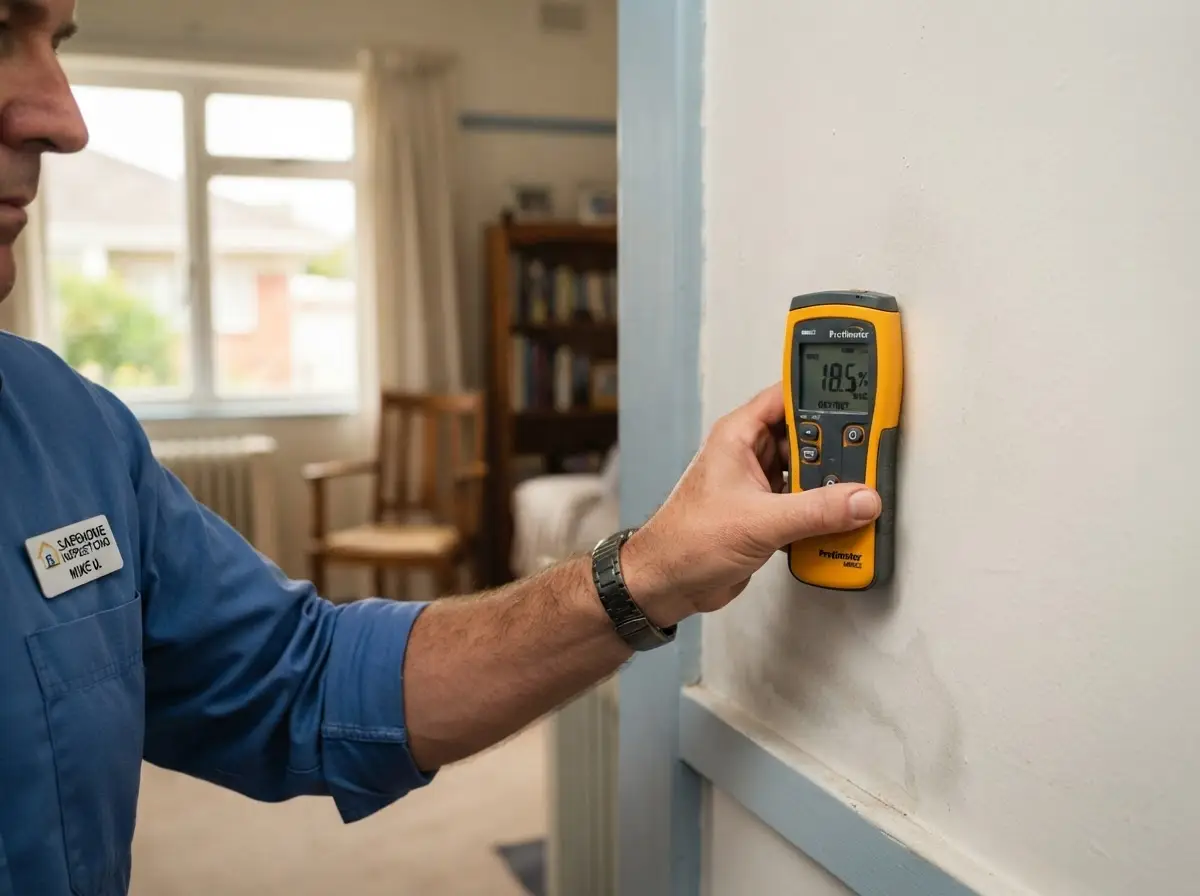
Calibrated moisture mapping of suspect surfaces and building elements, including the ability to detect elevated moisture behind finishes where conditions allow.
Humidity & indoor air quality
Indoor relative humidity, temperature and basic IAQ readings taken on site, with observations on ventilation and condensation behaviour.
Calibrated air sampling where appropriate
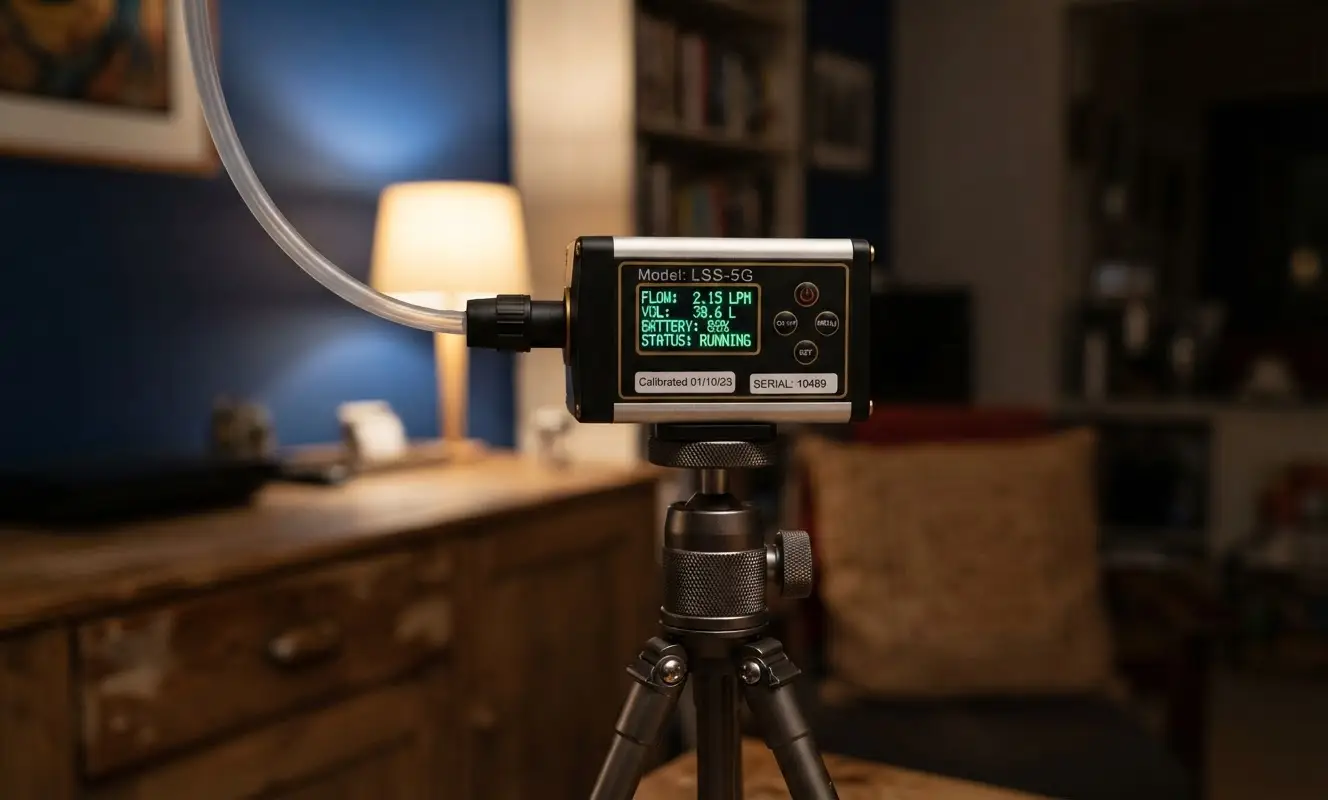
A known volume of air drawn across a defined collection medium under controlled conditions — used where the situation genuinely requires it, not as a default.
Laboratory analysis where appropriate
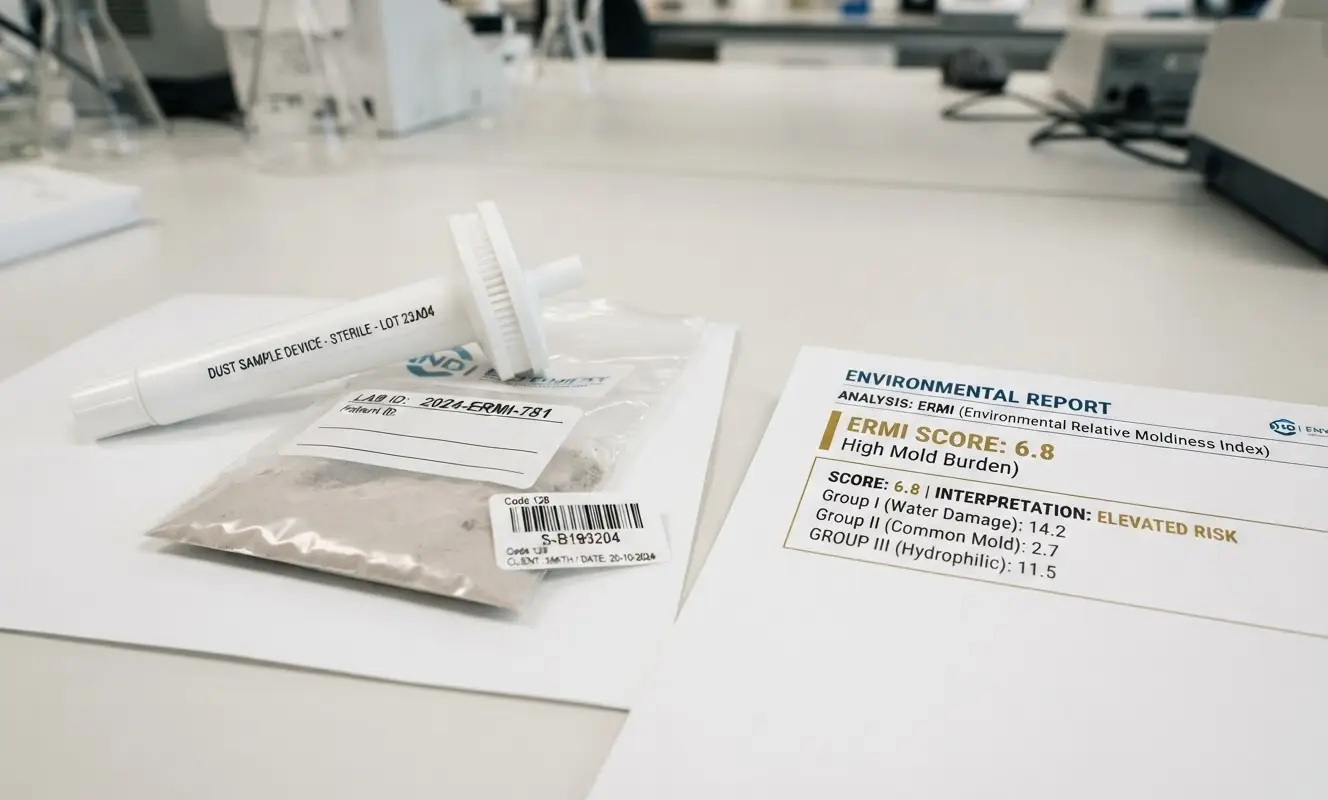
Independent laboratory analysis of samples — including species identification and ERMI / HERTSMI-2 advanced testing where the situation warrants it.
Written findings & recommendations
A written professional report recording observations, evidence, identified or likely contributing sources, and clear recommendations for what should happen next.

From observation to evidence to clear recommendations.
- 01InspectA systematic visual assessment of the property and the concerns raised.
- 02Investigate the sourceMoisture mapping and investigation of the building conditions driving the problem.
- 03Measure conditionsOn-site humidity, temperature and basic IAQ readings against the property context.
- 04Sample where appropriateCalibrated air and/or surface sampling with independent laboratory analysis.
- 05Report & recommendationsA written report with findings, evidence, identified sources and clear next steps.
Choose the inspection that matches your situation.
Each level is a defined scope of professional work — not a sales package. Not sure which one you need? That is part of what the enquiry is for.

On-site evaluation & moisture assessment
confirmed after the enquiry
- Structured visual inspection
- Calibrated moisture investigation
- Source mapping & photo record
- Written findings & recommendations

IAQ & air-sampling investigation
confirmed after the enquiry
- Everything in Level 1
- Calibrated volumetric air sampling
- Full IAQ measurements (RH, CO₂, VOCs)
- Independent lab analysis

IAQ investigation with genus identification
confirmed after the enquiry
- Everything in Level 2
- Lab identification of dominant genera
- Interpretive commentary
- Full report with lab findings attached

ERMI / HERTSMI-2 / MycoTOX
scope determined per case
- DNA-based dust analysis (36 species)
- ERMI / HERTSMI-2 scoring
- Extended air sampling & environment
- Detailed report with remediation roadmap
All inspections include a written, defensible report. Not sure which level fits? A short call is enough to point us at the right starting point.
A clear inspection. A defensible report. A defined next step.
Inspection day
- 01Non-invasive on siteNo drilling, no demolition, no chemicals. The inspector walks the property with you.
- 02Calibrated instrumentsMoisture meters, hygrometers and — where appropriate — calibrated air-sampling equipment.
- 03Nothing hiddenTools and method are explained on the day — there is no black-box instrumentation.
Your written report
A tangible professional product — readable by you, defensible to a contractor, body corporate or medical practitioner.
- Site observations & photographs
- Calibrated moisture findings
- Indoor environmental readings
- Lab results where samples were taken
- Identified or likely sources
- Plain-language recommendations
- Remediation protocol where required
- Appropriate next steps
After the report
The report sets out what should happen next. The path depends on what the inspection finds.
Local inspectors in each region.
Enquiries are centrally coordinated and routed to the inspector closest to the property.
Ready to find out what is happening at your property?
A short enquiry is the right place to start. It is reviewed by a certified domestic and industrial mold inspector — never a call centre — and routed to the branch closest to you.
Frequently asked
Why do I need a professional mold inspection?
What does a mold inspection actually involve?
Do I automatically need air sampling?
Can you investigate hidden mold?
Is inspection different from remediation?
When are ERMI / HERTSMI tests appropriate?
Why six inspectors across only three branches?
Why do you describe yourselves as setting the methodology others follow?
Tell us what you are seeing.
Reviewed by a certified domestic and industrial mold inspector. We will recommend the right level of investigation for your situation.